

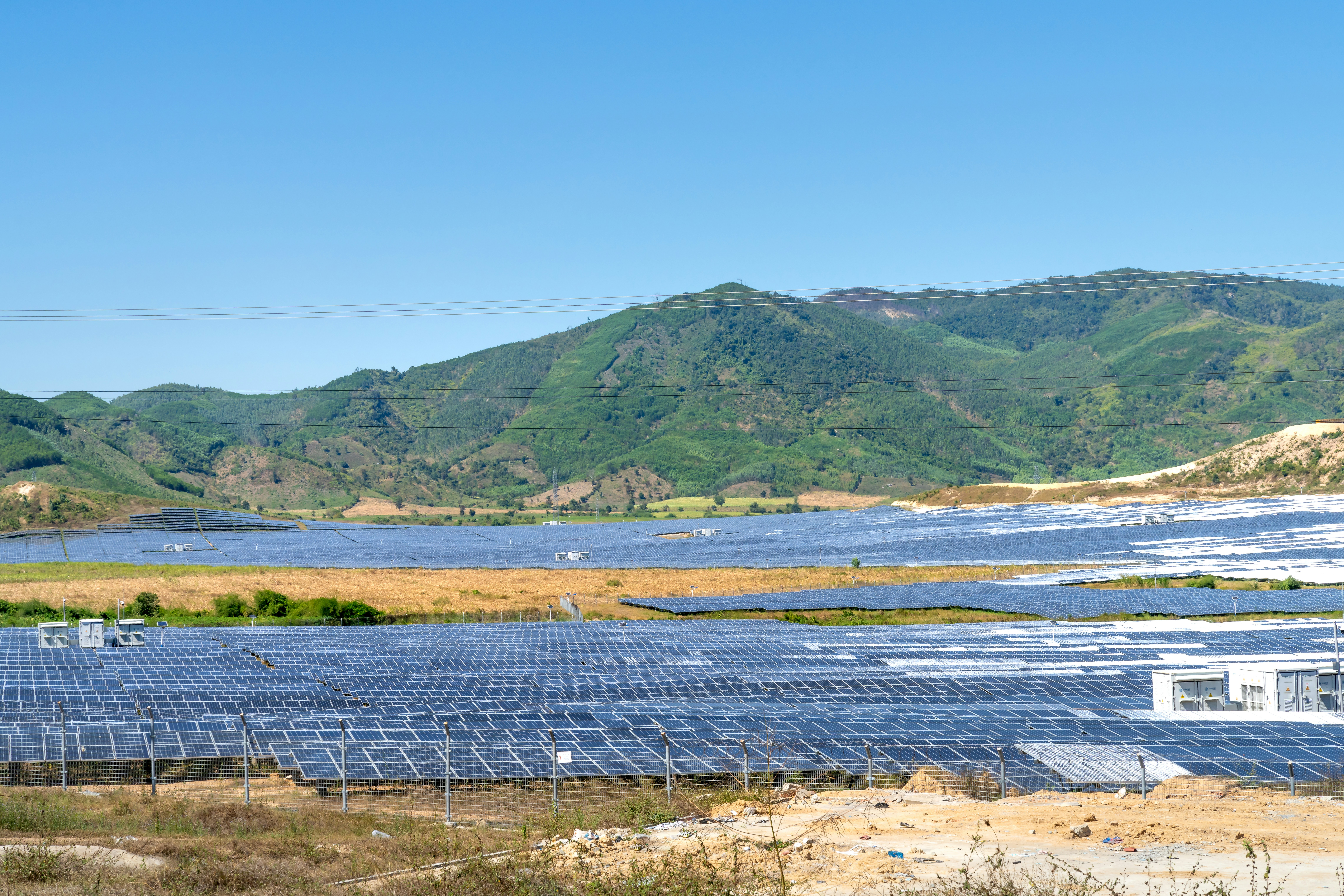
Introduction to Solar Power
Solar power is an increasingly vital energy source that harnesses the sun’s rays to generate electricity and heat. As society shifts toward renewable energy solutions to combat climate change, solar energy has emerged as a frontrunner in sustainable power production. This transition to green energy is critical in reducing our dependency on fossil fuels, thereby decreasing greenhouse gas emissions and mitigating the effects of global warming.
The fundamental principle behind solar energy lies in the use of photovoltaic (PV) cells, which convert sunlight directly into electricity. These cells are typically made from silicon and are capable of capturing solar radiation, which can then be transformed into usable energy for homes and businesses. In addition to solar panels, solar thermal systems can utilize the sun’s heat for applications such as water heating and space heating, showcasing the versatility of solar technology.
One of the most significant advantages of solar power is its potential to reduce carbon footprints. By installing solar panels on residential properties, homeowners can generate their electricity, resulting in lower utility bills and reduced reliance on traditional energy sources. Furthermore, excess energy produced can often be sold back to the grid, promoting a more sustainable energy ecosystem. As cities and countries worldwide strive to meet various climate goals, solar energy plays a crucial role in achieving these ambitious targets. The widespread adoption of solar technology not only fosters energy independence but also contributes to the creation of green jobs and encourages investment in innovative technologies.
In summary, the adoption of solar power is essential for a sustainable future. By understanding the principles of solar energy and its implications for reducing carbon emissions, individuals and communities can contribute significantly to the transition towards cleaner energy solutions.
Benefits of Installing Solar Panels at Home
The significance of solar energy has garnered much attention in recent years, particularly as more homeowners consider the implications of energy costs and environmental impacts. One of the primary benefits of installing solar panels at home is the potential for substantial financial savings. By harnessing solar energy, homeowners can significantly reduce their electricity bills, as they can generate a portion, if not all, of their energy consumption from the sun. With rising energy prices, this reduction in utility costs can be a welcome relief, allowing families to reallocate those savings to other essential expenses.
In addition to the immediate financial aspect, solar panel installations can also enhance a property’s value. Many prospective homebuyers are now seeking energy-efficient homes equipped with solar technology. Studies have shown that homes with solar installations tend to sell at a premium compared to those without. As a result, investing in solar panels can yield long-term benefits that extend beyond mere savings on energy bills; they can be an attractive selling point should you decide to put your home on the market.
Furthermore, integrating solar technology in your home contributes positively to the environment. By opting for solar energy, homeowners reduce their reliance on fossil fuels, which are notorious for contributing to climate change and environmental degradation. Solar panels produce clean, renewable energy that decreases greenhouse gas emissions, making a substantial impact on local and global scales. Many governments offer tax incentives and rebates to encourage homeowners to adopt solar energy systems, providing a financial cushion for initial installation costs. These incentives can significantly diminish the payback period for solar installations, enhancing the overall return on investment. As such, solar panels prove to be a prudent choice for homeowners aiming for sustainable living while also reaping financial rewards.
Types of Solar Panel Systems
When considering solar installation for your home, it is essential to understand the different types of solar panel systems available. Primarily, there are three systems to consider: grid-tied, off-grid, and hybrid systems, each offering unique functionalities and varying degrees of independence from traditional energy sources.
Grid-tied solar systems are the most common type found in residential settings. These systems are connected to the local utility grid, which means homeowners can use solar power while still having access to electricity from the grid. One significant advantage of grid-tied systems is their cost-effectiveness; they typically require less initial investment compared to other types due to the reduced need for battery storage. However, one downside is that during a power outage, homeowners relying solely on grid-tied systems will not have power, as they are designed to disconnect from the grid for safety reasons during blackouts.
Off-grid solar systems, in contrast, operate independently of the utility grid. Homeowners who choose this type of system typically do so because they live in remote areas or desire complete energy independence. These systems rely on battery storage to provide electricity during periods without sunlight. While off-grid systems can be more expensive due to the need for robust storage solutions, they offer the significant advantage of energy independence. Nonetheless, they require careful planning and management to ensure that energy needs are met throughout seasons and weather variations.
Lastly, hybrid solar systems combine the features of both grid-tied and off-grid systems. They allow homeowners to utilize the grid, while also incorporating battery storage for backup power. This flexibility enables users to store excess energy generated during the day for use at night or during power outages. Hybrid systems typically have a higher installation cost but provide a balanced approach to energy management, catering to those seeking a reliable and resilient power solution.
The Solar Installation Process
Installing solar panels in your home involves a systematic approach that ensures efficiency and adherence to regulations. The first step in the solar installation process is conducting an initial assessment, where a professional evaluates your home’s suitability for solar energy. During this assessment, factors such as roof orientation, shading from nearby structures, and energy consumption patterns are analyzed. The goal is to determine how many solar panels you will need to meet your energy demands effectively.
Once the assessment is completed, obtaining the necessary permits is the next critical step. Homeowners must comply with local and state regulations, which may involve submitting detailed plans and obtaining approval from zoning boards or utility companies. This phase can vary significantly in duration, often taking several weeks, depending on the jurisdiction and complexity of the project.
Following the approvals, the installation phase begins. This typically involves scheduling a date with your chosen solar contractor who will manage the entire process. The actual installation can take one to three days, depending on the size of the system. During this time, the solar panels are mounted onto the roof, alongside the installation of the inverter and wiring necessary for the system to function effectively. The installation crew works diligently to ensure all components are optimally positioned to maximize energy generation.
After installation, a final inspection is conducted, often required by local authorities to confirm that the solar system meets all codes and standards. Once the installation passes inspection, the system can be connected to the grid, allowing homeowners to start benefiting from solar energy. Homeowners should expect to receive guidance on monitoring their system’s performance and maintenance, ensuring they can enjoy renewable energy for years to come.
Choosing the Right Solar Installer
When considering a solar installation for your home, one of the most critical steps is selecting the right solar installer. The choice of installer can significantly impact both the efficiency of your solar system and your overall satisfaction with the installation process. There are several important factors to review when making this decision.
First, it is crucial to check for certifications and licenses. A reputable solar installer should possess appropriate certifications, such as those from the North American Board of Certified Energy Practitioners (NABCEP). These affiliations ensure that the installer has undergone thorough training and adheres to industry standards. Additionally, confirm that the installer is licensed to operate in your state, as local regulations can vary.
Reading customer reviews stands out as another essential step in your research process. Look for feedback on various platforms, including social media and trusted review sites. Positive testimonials can provide insight into the installer’s reliability, communication skills, and overall customer satisfaction. Conversely, red flags may emerge from negative reviews, giving you a clearer picture of what to expect.
An understanding of warranties offered by the installer is equally important. A solid warranty demonstrates confidence in the workmanship and the quality of materials used. Ensure that you ask specific questions regarding the warranty duration and what it covers, as this could save you from unexpected costs in the future.
Finally, obtaining multiple quotes is a best practice that can help you make an informed decision. By comparing different estimates, you can evaluate the pricing structure and services offered by each installer. This practice not only assures that you receive competitive rates but also allows you to gauge the professionalism and customer service provided by the contractors.
Financing Options for Solar Energy
As homeowners become increasingly aware of the long-term benefits of solar energy, understanding the various financing options available can facilitate the transition to renewable energy sources. There are several ways to finance a solar energy system, each with its own advantages and considerations.
One of the most common methods is outright purchase, wherein the homeowner pays for the solar system in full upfront. This option allows homeowners to benefit from substantial savings on their energy bills immediately and take advantage of federal and state tax credits that can significantly reduce the overall cost of installation. Additionally, owning the system increases property value and provides long-term energy independence.
For those who prefer not to make such a large initial investment, solar leases are an attractive alternative. In this arrangement, homeowners lease the solar system from a third-party provider, typically for a fixed monthly fee. This option allows homeowners to benefit from solar energy without the upfront costs, while the provider remains responsible for maintenance and repairs. However, it is important to note that the savings may not be as significant as with outright ownership.
Another popular financing method is through Power Purchase Agreements (PPAs). In a PPA, homeowners agree to purchase the power generated by the solar system at a predetermined rate. This rate is usually lower than the local utility rate, providing immediate savings. Like solar leases, PPAs require no upfront payment, making them accessible for many homeowners.
Finally, various grants and incentives are available to encourage green energy investments. Many state and local governments offer financial support for solar installations in the form of rebates or tax credits. Homeowners should research available programs in their area to maximize their financial incentives when deciding to install solar energy systems.
Maintaining Your Solar Power System
Regular maintenance of your solar power system is crucial for ensuring its efficiency and longevity. Just like any other home appliance, solar panels require consistent care to function optimally. Routine maintenance helps in identifying potential issues before they escalate, thereby maximizing your investment in renewable energy.
One of the most basic upkeep practices for solar power systems is the periodic cleaning of solar panels. Dust, dirt, and debris can accumulate on the surface of the panels, diminishing their ability to convert sunlight into electricity. It is generally recommended to clean the panels at least twice a year, or more frequently if your area experiences heavy pollution or seasonal pollen. Use a soft brush or a hose with a spray nozzle to gently remove any residue on the panels, taking care not to scratch the surface.
Monitoring the system’s performance is equally important. Keeping an eye on energy output ensures that the solar power system is operating at its intended capacity. Many modern systems come equipped with monitoring technology that tracks energy production in real-time. Sudden drops in performance can indicate potential technical issues, such as malfunctioning inverters or damaged panels. Failure to address such problems quickly can lead to further complications and decreased energy generation.
Additionally, homeowners should be aware of when to call in a professional for more intricate maintenance tasks. Complex issues, including electrical faults or structural damage, may require the skills of a certified technician. Scheduling annual comprehensive inspections can help identify concerns that may not be visible to the untrained eye, allowing for timely interventions.
In conclusion, proactive maintenance is imperative for ensuring the reliable performance of your solar power system. By engaging in routine cleaning, monitoring energy output, and consulting professionals when necessary, you can safeguard your investment in solar energy and enjoy its benefits for years to come.
Understanding Solar Energy Regulations and Incentives
The landscape of solar energy is shaped not just by technological advancements but also by an array of regulations and incentives established at federal, state, and local levels. These regulations govern the installation, operation, and efficiency standards for solar energy systems, ensuring they meet safety and performance benchmarks. Federal regulations, including the National Electric Code (NEC), play a crucial role in guiding the installation process, outlining requirements for system design, safety measures, and interconnection with the grid.
At the state level, each jurisdiction has its own set of rules regarding solar energy systems. This can include permits required before installation, local zoning laws, and guidelines for connecting to the grid. Homeowners should familiarize themselves with these regulations to ensure compliance and avoid potential penalties. Additionally, some states have implemented Renewable Portfolio Standards (RPS), mandating that a certain percentage of energy comes from renewable sources, thereby incentivizing the adoption of solar power.
In terms of financial incentives, a variety of programs exist to support homeowners who choose to install solar energy systems. At the federal level, the Solar Investment Tax Credit (ITC) allows homeowners to deduct a significant percentage of the installation costs from their federal taxes. Many states also offer their own tax credits, rebates, or performance-based incentives, tailored to encourage solar adoption. Local utility companies may have specific programs that provide additional rebates or incentives for installing solar panels, often aimed at reducing the upfront costs associated with such installations.
For homeowners considering solar energy systems, understanding the complex interplay of regulations and financial incentives is essential. By taking the time to navigate these elements, homeowners can not only ensure compliance but also maximize their financial benefits, making solar installation a feasible and sustainable investment for their residences.
The Future of Solar Energy at Home
The future of solar energy for residential use is poised for transformative advancements that will enhance efficiency, accessibility, and sustainability. As technology continues to evolve, innovations in solar panel design are becoming increasingly significant. The development of bifacial solar panels, which capture sunlight from both sides, promises to maximize energy production by harnessing reflected light. Furthermore, advancements in photovoltaic materials, such as perovskite solar cells, are paving the way for lower-cost, lightweight, and higher-efficiency panels, making solar solutions even more attractive for homeowners.
Storage solutions are another crucial component of the future landscape of solar energy in homes. Battery systems, particularly, are crucial for maximizing the benefits of solar installations. Homeowners can store excess energy generated during sunny days for use at night or during periods of low sunlight. Innovations in battery technology, such as lithium-ion batteries and emerging solid-state batteries, provide longer lifespans and greater capacities. As these technologies advance, we can expect a more seamless integration of solar energy into everyday life, enabling homeowners to achieve energy independence and reduce reliance on conventional power sources.
The anticipated growth of solar energy in the broader energy marketplace also plays a pivotal role in shaping the future of solar installations in homes. Government policies and incentives are increasingly supportive of renewable energy technologies like solar, fostering an environment that encourages adoption. Additionally, the declining costs of solar equipment and installation are further driving residential solar projects. As awareness of environmental issues grows and renewable energy becomes a priority, expanding market demand for solar solutions will undoubtedly influence the manner in which homes harness solar energy.
